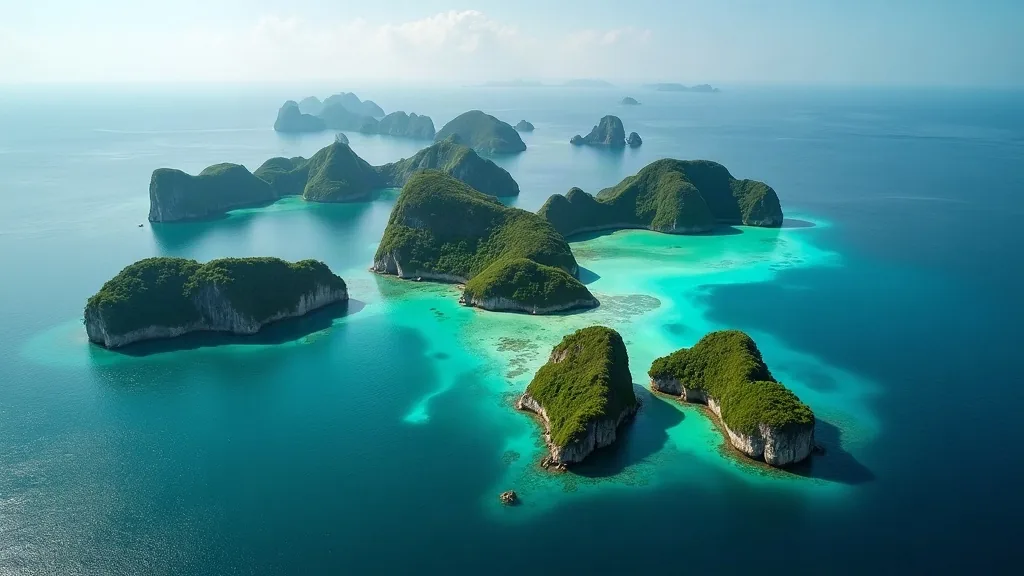
A raja ampat photography seaplane flight is a scenic flight planned around a shot list rather than general sightseeing — slower orbits over chosen karst compositions, a guaranteed window seat, and morning or late-afternoon slots timed for directional light. As of September 2026 no scheduled seaplane service over Raja Ampat exists yet, so every flight like this is arranged on request through licensed operators, quoted per flight, and confirmed only once weather and daylight allow it.
How Is a Photography Flight Different From a Standard Scenic Loop?
A standard scenic loop moves the aircraft past a checklist of landmarks at a steady pace so every passenger gets a look. A photography flight reverses the priority: the route, seat assignment, and timing are built around what you need to capture, not around covering the most ground.
That means the flight desk asks for your shot list before quoting anything — which formations, from which angle, at what time of day — and passes it to the operator so the pilot can plan orbit direction and altitude around those compositions rather than a fixed sightseeing circuit. It also means one window seat per photographer is held rather than rotated, and the slot is set for the low, angled light of early morning or late afternoon instead of the flatter light of midday. Group size on a photography-oriented flight tends to run smaller than a standard tour load, since extra bodies mean less window time per person; the exact seat count depends on the aircraft the operator assigns, so this is confirmed at quote stage rather than promised in advance.
None of this changes the underlying aviation reality: flights are weather-dependent, daylight-only, and subject to the pilot’s judgment on the day. A shot list sets intent; it does not override a safety call.
Which Routes Photograph Best?
Each karst cluster in Raja Ampat rewards a different light angle and shooting style. The table below is a planning reference to hand to the concierge desk when you request your route — final flight paths are set by the operator based on aircraft, weather, and airspace on the day.
| Karst Area | Best Light Window | What to Shoot | Compositional Note |
|---|---|---|---|
| Wayag towers | Early morning, low sun angle | Limestone spires casting long shadows over turquoise bays | Side-lighting separates individual towers; flat midday sun collapses the relief |
| Piaynemo star lagoon | Late afternoon | The branching lagoon fingers against the viewpoint’s signature shape | Longer shadows read better than the harsh top-down look of noon |
| Misool inner lagoons | Soft, slightly overcast or late-day light | Enclosed lagoons, mushroom islets, mangrove-fringed channels | Diffused light cuts water glare better than a hard midday sun |
| Dampier Strait reef flats | Low tide paired with midday sun | Reef patterns and channel colour gradients visible through shallow water | Sun needs to be high for reef detail, but expect more window glare — bring a polariser |
Weather can close any of these windows without notice. Build one primary route and one backup into your shot-list brief so the operator has a fallback if cloud cover or wind rules out the first choice.
What Gear Works for Shooting Through a Seaplane Window?
Nothing here is brand-specific — it is about handling reflection, vibration, and salt air inside a small cabin.
| Item | Why It Matters |
|---|---|
| Mid-range zoom (roughly 24-70mm equivalent) | Covers wide karst panoramas and tighter lagoon details without a lens change mid-flight |
| Longer zoom (70-200mm range) | Useful for isolating individual towers or lagoon shapes without cropping heavily later |
| Fast shutter speed, 1/1000s or quicker | Counters engine vibration transmitted through the fuselage and window frame |
| Circular polariser | Cuts glare off water and the window itself — test the rotation before the flight, since some window plastics show uneven banding under a polariser |
| Lens hood removed | A hood can catch the window edge or create its own reflection; shoot with the bare lens close to, but not pressed against, the glass |
| Microfiber cloth | Salt haze and condensation build up fast on cabin windows, especially after takeoff |
| Extra memory cards | No opportunity to offload mid-flight; carry more capacity than you expect to need |
| Dry bag or padded sleeve | Protects gear during the boat or dock transfer to and from the aircraft |
Keep ISO low and lean on shutter speed instead — grain from a shaky, dragged exposure is harder to fix than grain from a slightly higher ISO.
Do the Windows Open?
It depends on the aircraft type the operator assigns, and this is not something to assume either way. Some floatplane models used in Indonesian charter work have windows that crack open for a clean, glass-free shot; others are sealed. Confirm this specifically with the concierge desk when you submit your shot list, since it changes both your lens choice and your polariser plan.
Can I Fly a Drone From the Aircraft or on the Ground?
No — drones cannot be flown from an aircraft in flight, for the same reason no aviation authority permits it: it is an airspace and safety conflict, not a policy preference. If you plan to fly a drone from the ground or from a boat once you land in Raja Ampat, that use falls under the rules of the KKP Raja Ampat marine conservation area (Kawasan Konservasi Perairan Raja Ampat) and any local village or resort restrictions, which vary by site. Commercial drone or camera work — anything shot for publication, a brand, or a paid shoot — may require a separate permit; raise this with the concierge desk before the trip so it can be checked with the relevant authority ahead of time, not resolved on arrival.
Photography Flight Options and How Pricing Works
There is no published seaplane fare to quote, because no fixed-price scheduled product exists yet for this route. What the desk can offer is a request structure built around light and duration:
| Option | Best Light Window | Suited For | Price |
|---|---|---|---|
| Sunrise session | Early morning, low-angle light | Wayag towers, high-contrast shadow work | Quoted per flight after route confirmation |
| Late-afternoon session | Golden hour into dusk | Piaynemo and Misool lagoons, warm tones | Quoted per flight after route confirmation |
| Custom multi-area route | Set jointly with the operator | Photographers shooting more than one karst cluster in one flight | Quoted per flight, subject to aircraft range and weather |
Every figure is confirmed with the licensed operator once your dates, shot list, and departure base (typically Sorong or Waisai) are known — pricing is never fixed in advance because aircraft availability, route length, and weather contingency all move the quote. Note this sits apart from Raja Ampat’s separate regency and marine park entry levies, which as of 2026 apply to any ground or marine-park activity you pair with the flight and are billed independently of the flight itself.
How Does Booking Work?
- Send your shot list. Name the karst areas, the light you want, your dates, and your departure base (Sorong or Waisai).
- The desk checks operator and weather fit. Juara Holding Group, an independent concierge and coordination desk (est. 2015) — not the aircraft operator — matches your brief to a licensed operator and flags any daylight or seasonal constraints.
- You receive a quote and provisional route. This includes the light window, seat arrangement, and a weather-contingency plan.
- Flight day is confirmed close to departure. Because flights are daylight-only and weather-dependent, final go/no-go typically happens the same or the day before.
Plan your photography flight: send your shot list, dates, and departure base to the Juara Holding Group concierge desk on WhatsApp at 6281139414563 or by email at bd@juaraholding.com, and the desk will coordinate route and timing with a licensed operator on your behalf. No professional photographer is included unless one is specifically requested and quoted separately.
Frequently Asked Questions
How far in advance should I request a raja ampat photography seaplane flight?
Because this is arranged on request rather than booked from a fixed schedule, earlier is better — ideally as soon as your Raja Ampat dates are set. High season (October to April) sees liveaboard and charter lead times of 12-18 months for peak dates in 2026, and while that figure applies to boats, it signals how tight capacity gets regionally during that window.
Can I request a custom flight path for Piaynemo, Wayag, and Misool in one trip?
Yes — a custom multi-area route can be requested, but it depends on the aircraft’s range, fuel planning, and the day’s weather across all three areas. Submit all the karst clusters you want in your shot list, and the operator will confirm which combination is realistic for your date before quoting.
What is the best time of day for this kind of flight?
Early morning and late afternoon give the low, angled light that separates karst towers and lagoon edges with shadow and contrast. Midday flights work only for reef-flat shots at low tide, where overhead sun helps reveal underwater patterns, but expect stronger window glare during that window.
Is a professional photographer included on the flight?
No. The flight itself — route, seat, and timing — is arranged through the licensed operator, but a photographer is not included by default. If you want one on board, say so when you send your shot list and it will be quoted as a separate add-on, subject to seat capacity.
Do I need a permit to bring a drone on this trip?
Not for the seaplane flight itself, since drones cannot be operated from the aircraft. For any ground or boat-based drone use once you are in Raja Ampat, rules fall under the KKP Raja Ampat marine conservation area and local site restrictions, and commercial shoots may need a separate permit — confirm both with the concierge desk before travel.